
JournalPhotography9 min

The advice “look for beauty in imperfection” sounds pleasant and is almost useless. When an eye is used to selecting the even, the new and the strikingly lit, it does not retune itself because of one attractive formulation. Practice is needed, and fairly simple practice at that.
On a walk, try temporarily not looking for beautiful objects. Look for processes: what is fading, rusting, crumbling, becoming overgrown, creasing, being mended, ageing. That changes your relation to a surface at once. What is in front of you is no longer a “bad wall” but a place where a material has spent several years meeting water, sun and hands.
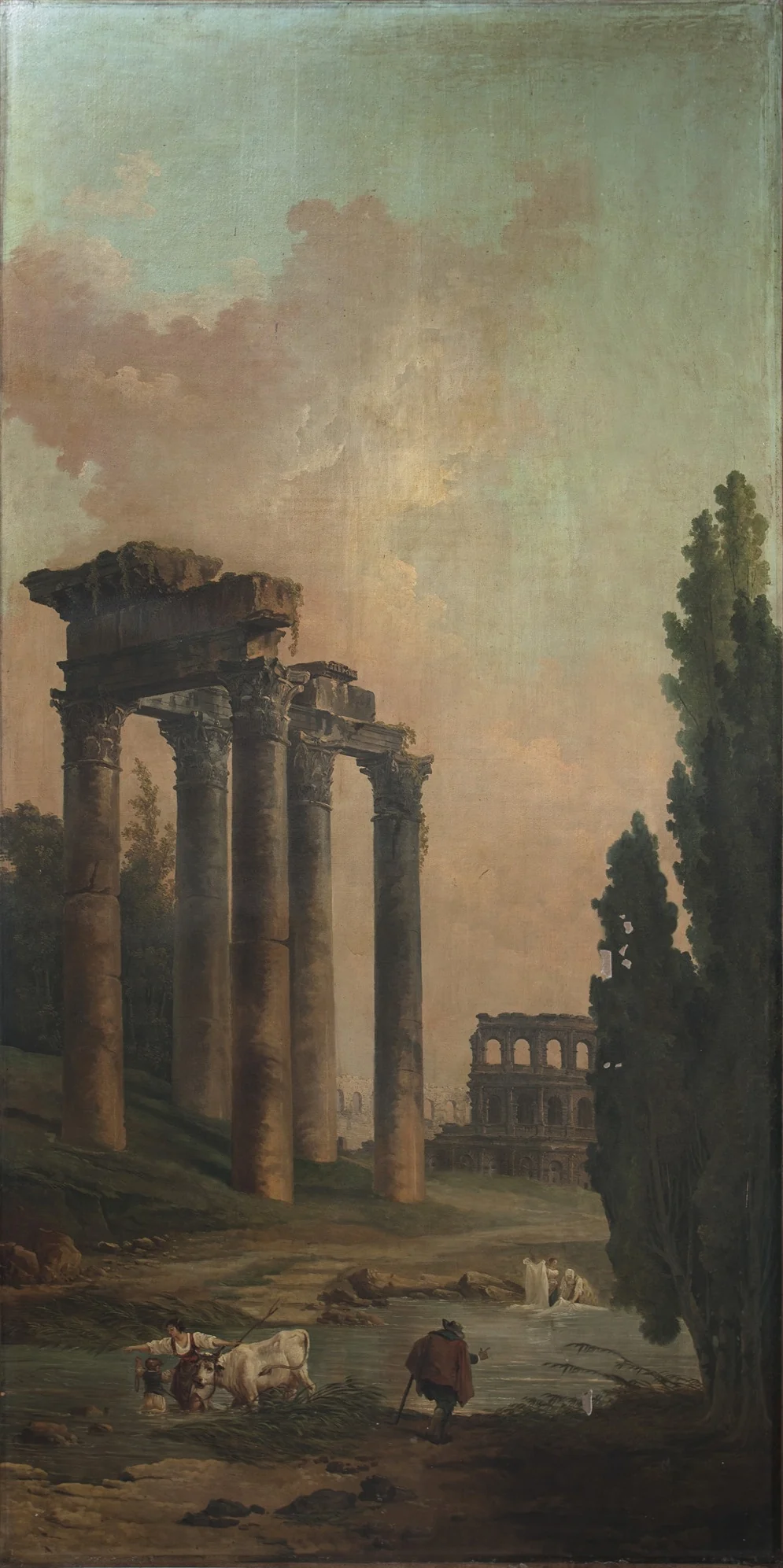
Another exercise is to choose not an object but a change and follow it for a week: a bouquet withers, snow melts, the light on a wall shifts. The series will teach you to see not only a beautiful state but the transition between states, which usually passes the camera by.
At first we notice not the world but our own list of errors
The ability to see the imperfect begins with an unpleasant admission: for a while we notice not the world but our own list of errors. The horizon is tilted, the skin is uneven, the wall is peeling, the object stands crooked. Those judgements are useful in the craft but become too fast. They close off the question of what exactly the unevenness does to the image. As long as any deviation receives a single label, “fix”, the photographer does not distinguish an accidental flaw, a human trace and an expressive resistance of form.
A good training is to separate observation from decision. First name the fact without judgement: the line goes down, the paint has gone near the handle, one side of the face is lighter, the fabric is stretched unevenly. Then describe the effect: the eye slides, the hand looks used to the object, the face looks wary, the clothing holds the movement. And only then decide whether that gets in the way of the intention. The order sounds slow, but it gives the author back a choice instead of an automatic tidy-up.
We see particularly badly what we are used to correcting in ourselves. A person embarrassed by wrinkles will find them on somebody else’s face first; a photographer painfully attentive to the cleanliness of a background will miss a living gesture while removing a cable. The eye is not neutral. It brings to the set an idea of a worthy body, a good home and a correct emotion. So working with the imperfect inevitably becomes work on your own criteria.
It helps to photograph the same object at different times. In the morning a crack may look like a graphic drawing, in the evening almost vanish, after rain go darker. Attention thus shifts from a striking discovery to the relations between light, time and material.

A separate edit that is under no obligation to become a portfolio
You can keep a separate edit for such observations and not mix it with the portfolio. The pressure to prove the value of every frame immediately then disappears. A month later, surfaces, gestures and objects that were not connected at first will end up side by side. Perhaps a series will emerge from them. And perhaps they will simply retune your eye. Not every exercise has to end in a publication; some exist so that the next shoot begins with a wider idea of what deserves attention.
Another exercise: for a week, do not correct what your hand corrects automatically. Do not straighten every line, do not clean the background to sterility, do not smooth skin out of habit. That does not mean publishing everything as it is. The point is to see the original feature first and only then decide whether it gets in the way or carries something important.
It is easier to start with objects
It is easier to start with objects, because they feel no pressure of judgement. Choose an old thing and photograph it five times, changing not the light each time but the meaning: as a tool, as a memory, as rubbish, as a beautiful form, as evidence of a person’s presence. It will turn out that one scratch says completely different things in different contexts. Imperfection has no ready-made content; a relation to the whole creates it.
The next step is to look not for spectacular ruins but for small deviations. One worn patch of floor, a slightly crooked curtain, a fingerprint on a book, an asymmetry in how clothes sit. Loud dereliction appoints a subject at once and often leaves the viewer no room. A small change demands attentiveness and therefore trains the eye better. It makes you work out why attention stopped exactly here.
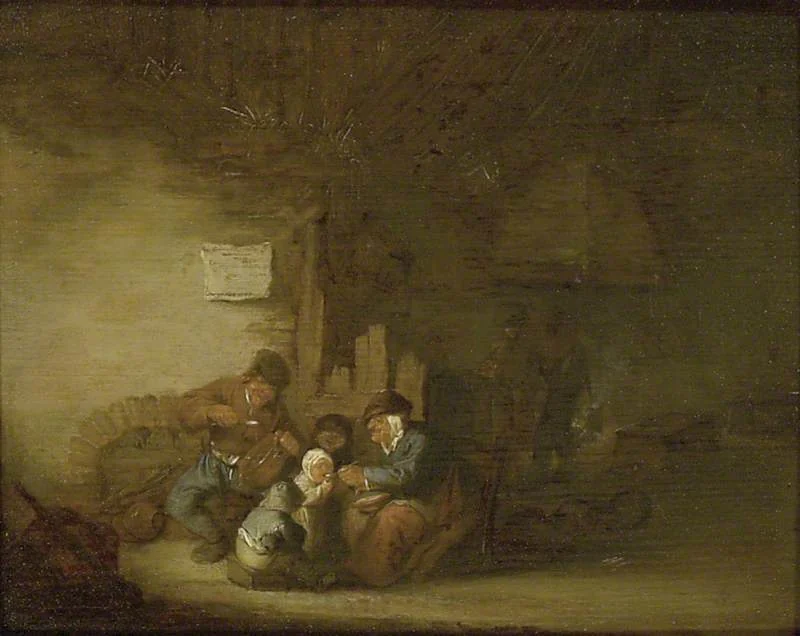
It is also useful to photograph the process of care and repair. A person sews up fabric, sands wood, glues a photograph back together, paints a wall over an old layer. Imperfection then stops being an aesthetic trophy and enters an action. We see not only the damage but an attitude to it: the thing is thrown out, kept, hidden, emphasised. That adds ethics where a decorative shoot would have left only texture.

With people the task is harder
With people the task is harder. You cannot declare somebody’s feature beautiful and consider the question closed. A subject has the right not to want a scar, an age or a tiredness to become the main theme. Before a shoot it helps to establish the limits: what the person is used to hiding, what they are willing to show, which image they consider alien. A photographer’s attention does not automatically grant permission to turn somebody else’s vulnerability into artistic material.

Do not judge frames straight away. A photograph with an uneven composition or a strange gesture often loses to a striking neighbour on the first pass. A few days later it may turn out that it was the one that kept the sense of the moment, while the “correct” version stayed an exercise.
Of course, not every kind of dirt becomes patina1, and not every accidental error becomes an authorial decision. Attention to the imperfect does not free you from selecting. It only widens the list of what is admitted to consideration at all.
The imperfection of a moment is often visible only in contact. A smile has slightly dropped, a hand has not reached the given point, someone looked away after a question. Those intervals can be stronger than a prepared pose, but they easily become an intrusion. If the subject does not realise the camera is still working, a formally successful frame can destroy trust. Seeing more does not mean publishing everything you saw.
An edit without a single ranking
In the edit it helps to give up one general ranking. First choose the technically reliable frames, then the emotionally exact ones, then those with a strangeness that is still hard to explain. The last group often turns out to be the most interesting a few days later. It need not reach the final selection, but it shows the boundary of your habitual taste. Always choose only what is instantly understandable and your sight starts serving a style you have already found.
Working in a series helps the imperfect acquire a context. A single blurred frame looks like an error; beside clear ones it can become the passage of time. A single empty interior seems unfinished; between portraits it creates a pause. A single closed-off figure looks unsuccessful; in a sequence it shows a resistance to closeness. Meaning is born not only inside a frame but in what came before and after it.
Editing can support this subtlety or destroy it. Strong sharpening turns a small texture into a declaration, a warm “vintage” tone announces nostalgia in advance, a vignette2 makes you admire the centre. Sometimes neutral processing leaves the trace more honest. The viewer notices it for themselves instead of receiving a signpost from the author. Wabi-sabi requires not weak editing but an exact volume.
One location in different weather
You can train on one and the same location in different weather. A sunny day will emphasise form and surface defects, rain will join them with reflections, snow will hide them for a while, fog will reduce the differences. The place does not change instantly; what changes is the way it is available. A photographer learns to see the imperfect not as a permanent mark but as a relation between material, light and time.

Acceptance need not become a new obligation
It is important not to turn acceptance into a new obligation. Sometimes a person really does want a tidy photograph, a new object a clear form, an interior an order. Respect for the imperfect does not require you always to choose the old, the dark and the uneven. It only widens the range of the permissible. The author stops correcting automatically and gains the chance to keep what they used to delete out of fear of looking unprofessional.
Over time the language of judgement changes as well. Instead of “beautiful — ugly” more exact words appear: vulnerable, heavy, fragile, lived-in, accidental, insistent, calm. The more precise the reaction, the smaller the temptation to defend a decision with a general philosophy. A photograph can be rough and empty; smooth and deep; technically imperfect and emotionally honest. No external sign replaces the reading of a whole.
To see the imperfect is to hold a short pause between noticing and correcting. In that pause it becomes clear what is in front of us: rubbish, a trace of labour, age, chance, injury, the character of a material, or simply a bad frame. A photographer is under no obligation to love everything uneven. It is enough to regain the ability to choose which story the unevenness continues and who has the right to show it.
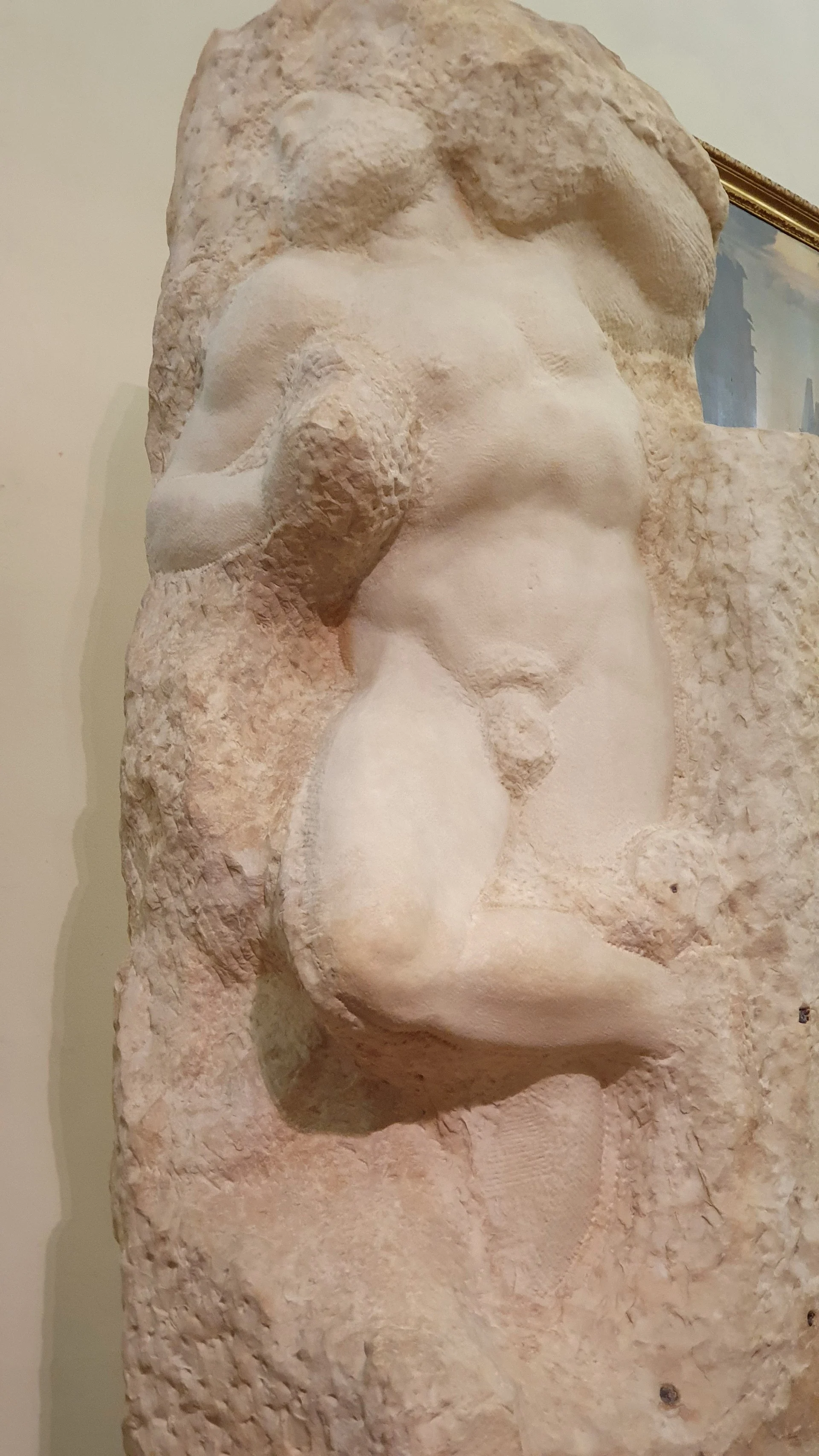
In time you begin to notice not “beautiful old things” but the life of a material and of a person. And then wabi-sabi stops being a Japanese word for a mood board. It becomes a way of not hurrying to correct the world.
Notes
- 1A change in the surface itself from time and touch: oxidised bronze, worn lacquer, darkened wood. Unlike dirt it does not come off with a cloth, because it has become part of the material — and for a shoot that is the whole difference. ↑
- 2A darkening towards the edges of the frame. It arises by itself, from the optics, but more often it is added in the edit to hold the eye in the centre. The device is honest right up to the moment it starts deciding for the viewer what matters here. ↑
- 3A paper print at a small size, rather than a view on screen. A screen lets you zoom into any detail and appoint it the centre; a print restores a detail’s true weight relative to the whole image and to the distance it is looked at from. ↑