
JournalPhotography10 min

A person can talk, laugh and gesture perfectly calmly while the camera is in the bag. Raise it, and the hands suddenly become a separate problem. They hang too straight, hide behind the back, grab hold of each other. A minute later the shoulders, neck and face follow the hands into tension.
At this point the useless advice usually arrives: “Relax”. But relaxation is not a command. The brain is already busy with the question of how the person looks from outside, and every new instruction only adds control.
It is far easier not to look for a beautiful position for the hands but to give them a familiar task. Straighten a sleeve, wipe a pair of glasses, turn a page, tuck hair behind an ear, hold a cup. What matters is not the object but the habitual movement. The body remembers how it behaves when nobody is watching and stops assembling a pose to instructions.

Sometimes an object also works as protection. A bouquet, a folder, a bag or the back of a chair creates a small border between the person and the lens. This is particularly noticeable with people who find being the centre of attention difficult. Behind such a shield it is easier to breathe out, and then gradually give it up.
If there is nothing to hand, the action can be found in the situation itself: open a window, move to another seat, take off a coat, check a pocket. The clearer the beginning and end of a movement, the less the person thinks about the intermediate pose. The photographer only has to watch for the moment when the gesture and the expression coincide.
Support helps too. If a person can put a forearm on a table or a windowsill, the shoulders drop by themselves. Whereas asking them to keep their hands symmetrical, press their elbows to their sides or hold still for a long time usually brings the stiffness back. A living body is rarely perfectly symmetrical.
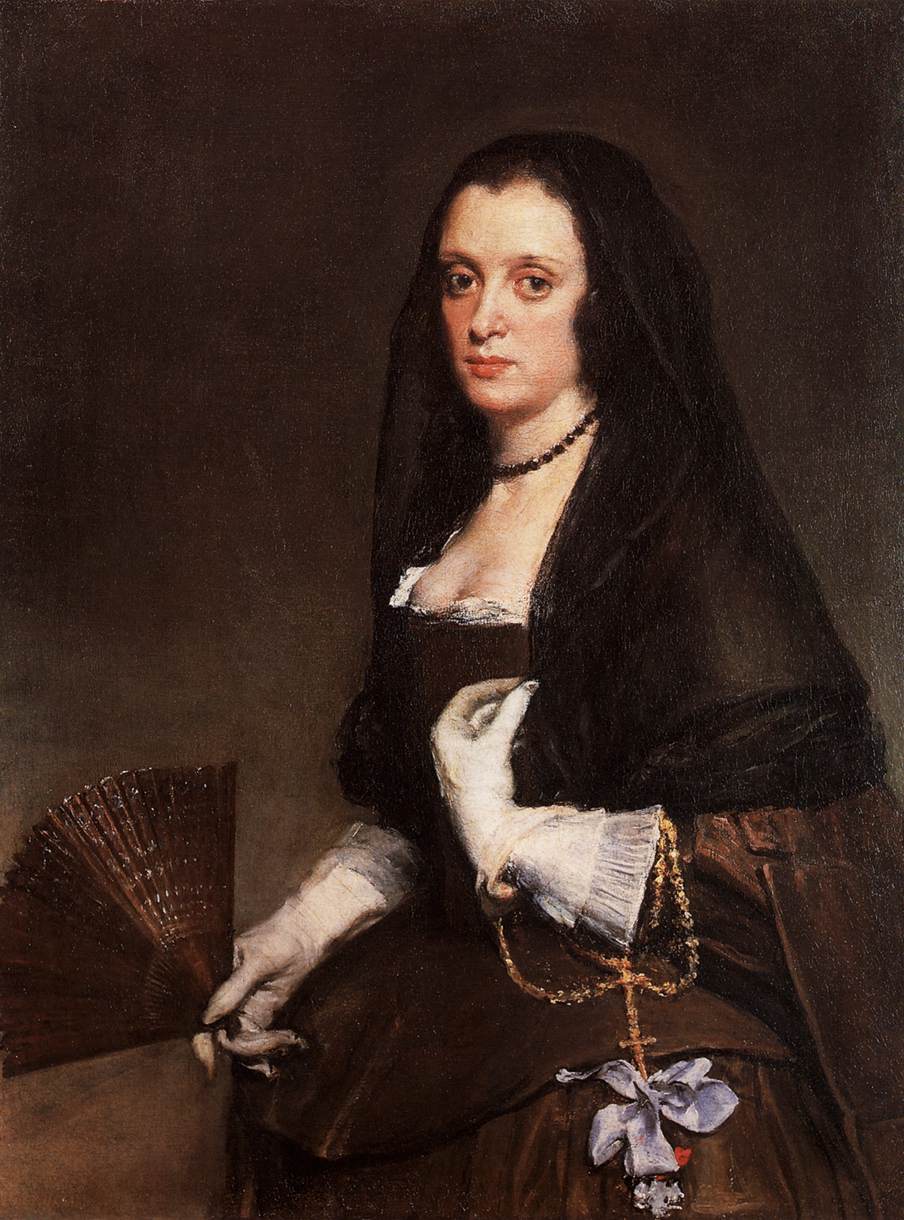
Props are better chosen for plausibility than for beauty. Someone who never smokes will hold a cigarette unnaturally; an unfamiliar musical instrument makes them control their fingers even harder. Whereas their own glasses, phone, keys or a tool of their trade already contain movements they have mastered. Sometimes it is enough to ask not for “a pose with a cup” but to actually pour the water, take a sip, put it down. A sequence of actions produces various positions of the hands, and none of them has to be constructed separately.

The commonest mistake begins right after a good gesture. The photographer asks for it again five more times, slower, and then to stop halfway. By the fifth take the action no longer belongs to the person — it belongs to the instruction.
Hands give a state away before the face does
Hands give an inner state away before a person has had time to assemble a face. You can produce a calm smile while your fingers go on crumpling the hem of your clothes; you can look confidently into the camera while your thumb hides in your fist. So it helps the photographer to treat hands not as a separate element of the pose but as part of the overall emotional pattern. If the hands are tense, asking for “slightly prettier fingers” treats the symptom and often strengthens the cause.
It is worth starting with weight. A hand with nothing to do and nothing to rest on quickly becomes heavy for the mind. The person starts to feel every centimetre from shoulder to fingertips. Give the forearm a table, the palm a pocket, the elbow the arm of a chair, and part of that control goes away. The support has to be real. Barely touching a surface for the sake of a nice line is harder than putting your weight on it properly.
Pockets are not always the answer. Completely hidden hands can make a figure closed or accidentally strip it of expression. Whereas one thumb outside, a free palm, the movement of pulling out keys give a natural transition. What works here is not a universal scheme but the character of the person. Someone used to standing with their hands in their pockets will look like themselves. Someone who never does it will be turned by the pose into an actor in somebody else’s advertisement.
Touching the face is a story of its own. It instantly draws attention because it joins the two most socially charged zones. But a staged “put your hand to your chin” easily becomes a parody of thoughtfulness. Better to create the cause: ask them to fix their hair, to listen, to close their eyes for a second, to lean a cheek on a palm after a real movement. The touch should continue a state, not announce it with a ready-made symbol.

An object in the hands has a biography
An object in the hands has a biography too. A musician holds an instrument differently from a model who was handed one five minutes ago. A cook takes a knife differently, an architect a pencil, a short-sighted person their own glasses. A viewer may not be able to name those differences but will feel them. So a real working object often yields more truth than an expensive prop. The hands know its weight, its surface and its permitted movements without instruction.
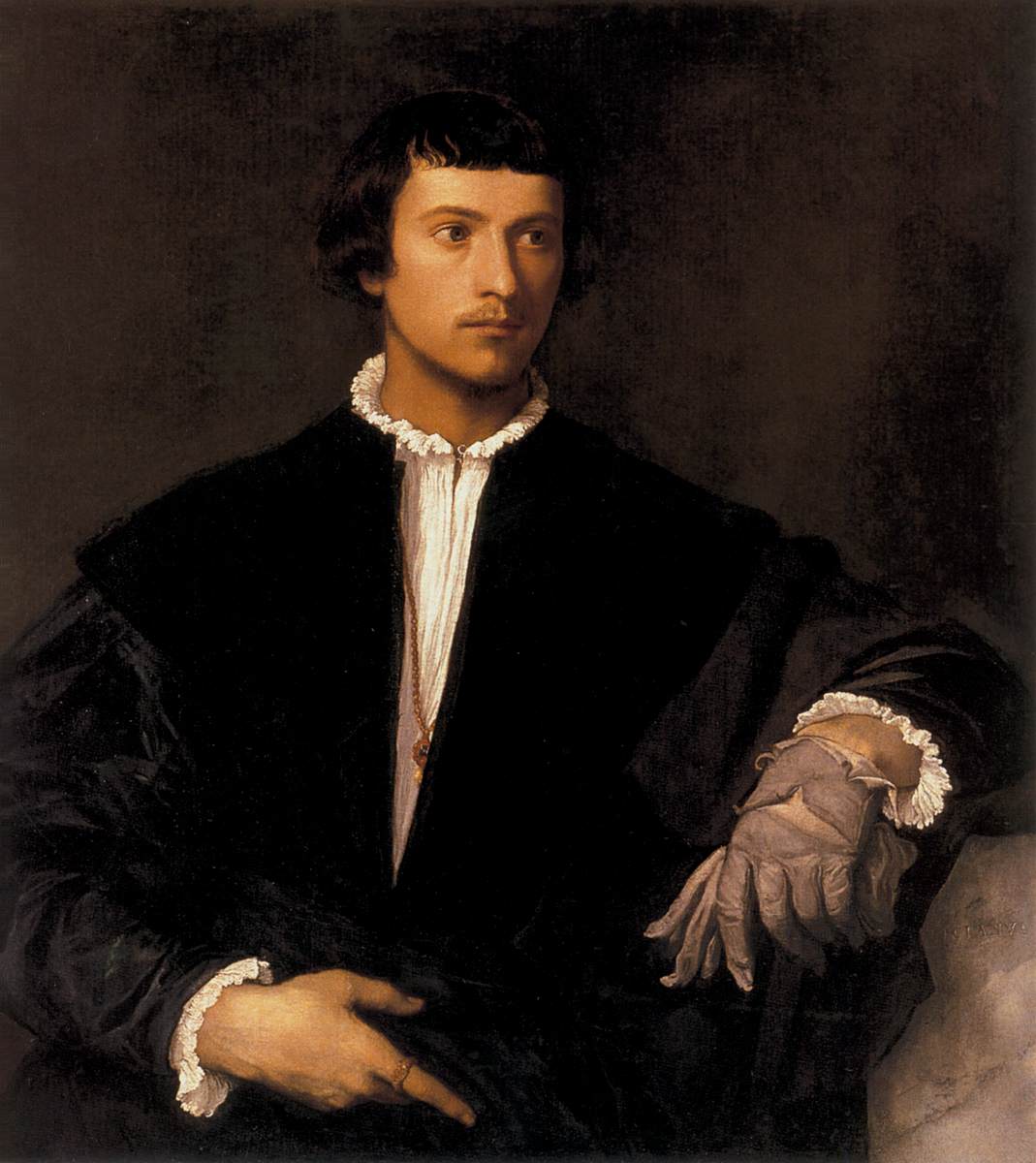
There is a comic problem with cups: the moment one appears “for the photograph”, the person starts holding it with both hands at chest height and gazing off into cosiness. The result is a blanket catalogue. If the scene really needs the cup, let a sequence happen with it: pour, check the temperature, take a sip, put it down, run a finger round the rim. In each action the shoulders, the gaze and the breathing change. The photographer gets not one pose but a small edit.
In a double portrait the hands speak about distance
In a portrait of two people, hands describe distance more precisely than smiles do. A palm on a shoulder can be support, a possessive gesture or a formality — it all depends on the pressure, the position of the fingers and the other person’s reaction. There is no need to make people demonstrate a closeness they are uncomfortable showing. Sometimes two gestures that almost touch are stronger than an embrace. The viewer feels the tension between them and completes the connection themselves.
The edge of the frame and the lens
Cropping hands needs attention not because of the old prohibition against cutting at a joint, but because the edge of the frame creates a feeling either of continuation or of amputation. If a gesture matters, it needs air and a clear direction. If a hand is secondary, it can leave the frame naturally along with the movement. The most awkward outcome is a few fingers accidentally left in shot, apparently belonging to some unknown person. Before pressing the shutter it helps to run the eye quickly over the four corners and every limb.
Wide-angle optics1 add a dramaturgy of their own. A palm that ends up closer to the camera can become enormous and aggressive, although in life the gesture was calm. Sometimes that is expressive: an outstretched hand pulls the viewer in. Sometimes it destroys the portrait, turning a person into a set of perspective distortions. You have to decide whether the hand is the way into the scene or is accidentally arguing with the face.
Burst shooting2 is useful when an action is short, but it must not replace watching. Hold the button down through every movement and you easily get a hundred intermediate phases and miss the single one where the gesture coincided with the gaze. Better to see the beginning and the end in advance: the hand rises, touches, lets go. The frame you want often appears not at the climax but immediately after it, when the muscles still remember the action and control has already loosened.

Instructions in human language
It matters to give instructions in human language. “Lower your right shoulder, turn your wrist, open your fingers” turns a body into a construction kit. “Lean on it more comfortably and check that the sleeve isn’t in the way” sets a task the person knows how to solve on their own. If the result is nearly right, you can refine one thing, but not five at once. A body keeps its naturalness as long as the mind is not forced to steer every detail.
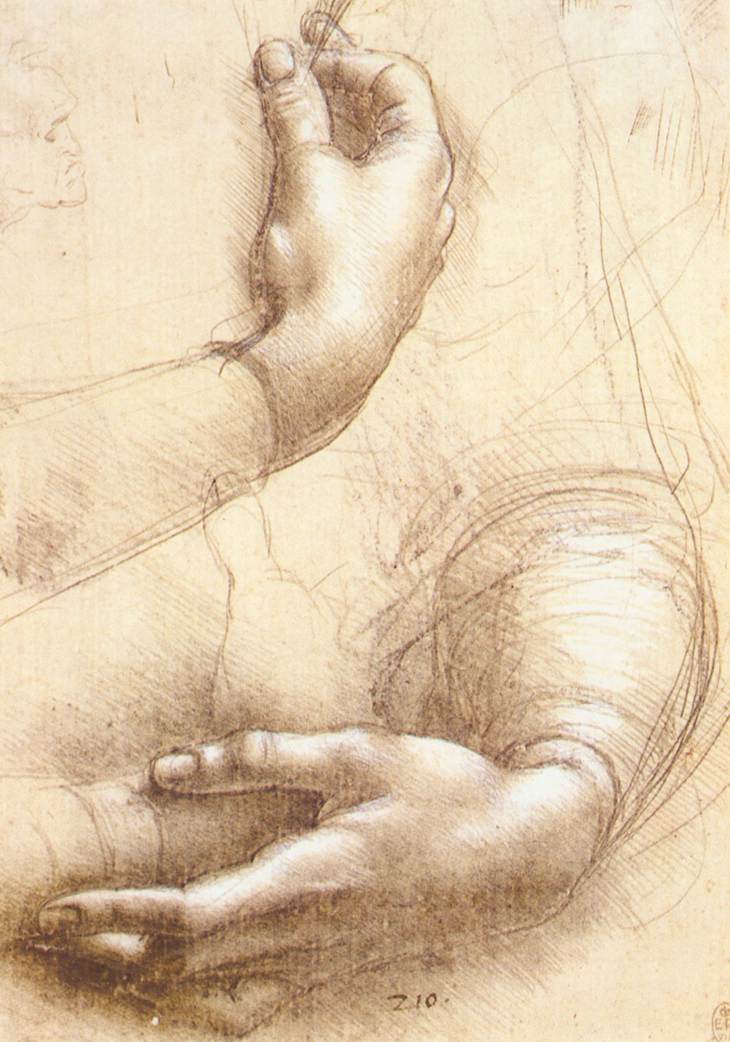
And perhaps the main thing: hands are not obliged to be elegant. Strong, working, ageing, awkward hands can be the whole point of a portrait. Hiding the marks of labour and smoothing the joints sometimes means removing a biography. Retouching should answer not the question of whether the surface can be made smoother, but the question of what the viewer will feel afterwards. In a good portrait hands do not decorate a person. They continue the story about them.
Where retouching should stop
There is an important limit to retouching. Redness, a raised vein, a scar, the mark of a profession or the texture of age may interfere with an advertising task, or may be the person’s biography. Cleaning the hands automatically, harder than the face, easily produces a strange effect: the subject has lived a life and been issued hands from a catalogue. The decision depends on the genre and on what was agreed, but the question is worth asking before post: are we removing a temporary blemish, or correcting a person to fit our own idea of flawlessness?
In practice I would keep one simple restriction: no more than one separate instruction for the hands at a time. If we are already changing the support, there is no need simultaneously to turn the wrist, hide the thumb and adjust the elbow. After one change the body finds a new balance by itself, and the next correction often turns out to be unnecessary. That slowness saves time: instead of a fragile construction that collapses with every breath, you get a position in which a person can go on being alive.
If there is nowhere to put the hands, there is no need to invent a pose for them. Better to invent an occupation for the person, in which the hands become part of the body again. Then the expression on the face changes too, without a separate request.
Notes
- 1It is not the lens but the distance: the closer an object is to the camera, the larger it grows relative to what is further away. A wide angle simply lets you come right up — and a palm held out towards the camera grows out of proportion to the face: at close range a difference of twenty centimetres counts for far more than the same difference from three metres away. ↑
- 2A burst of ten or twelve frames a second catches the phases of a movement but does not decide which of them is alive. The choice is still made by the eye, and a hundred nearly identical intermediate frames tend to make that choice harder. ↑