
JournalPhotography11 min
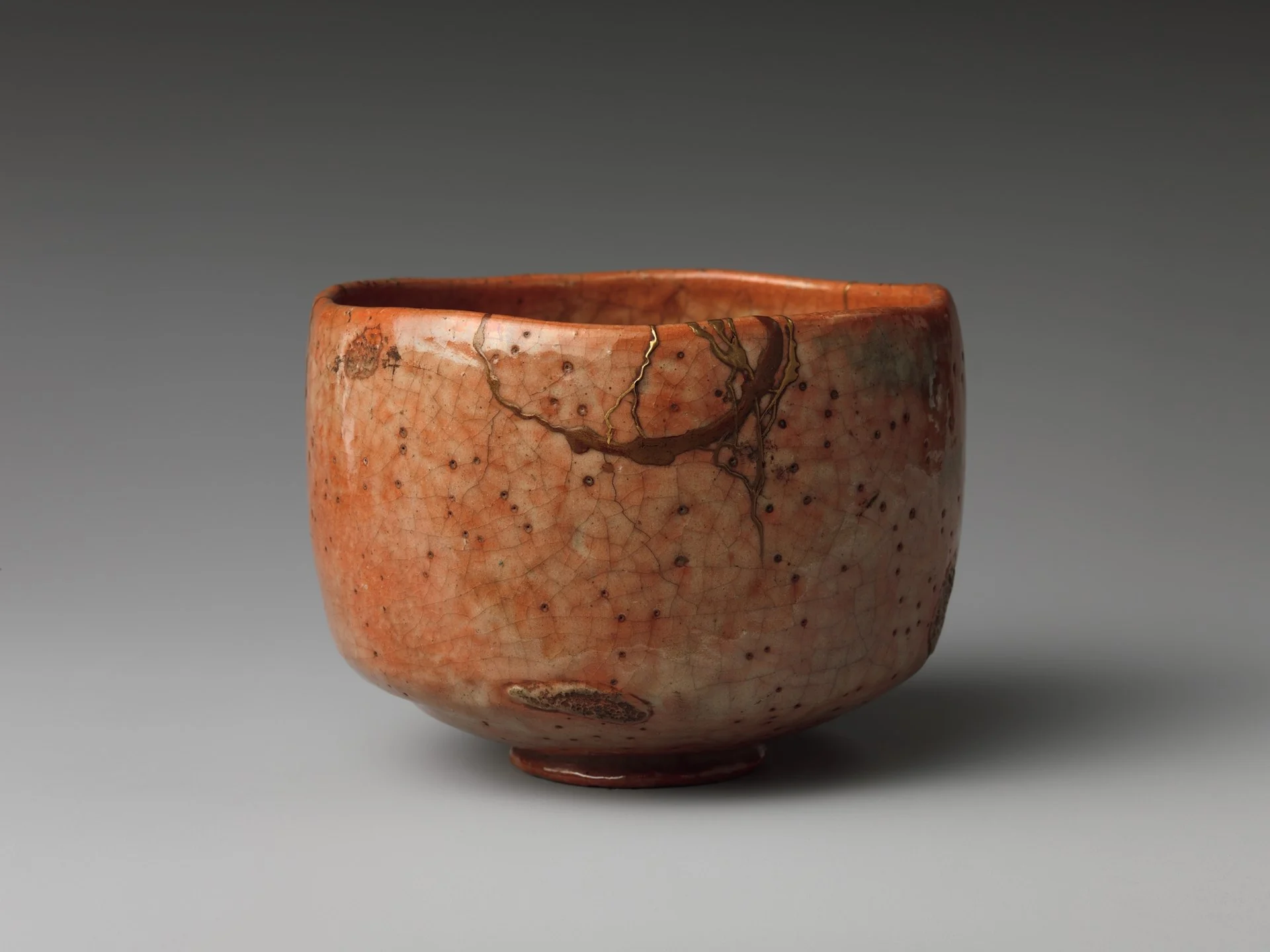
There are things that become beautiful not in spite of time but because of it. Darkened wood, the chipped rim of a cup, cloth faded where hands have touched it. We can call that wear, and we can see it as the biography of an object.
Wabi-sabi is often reduced to a love of everything old, uneven and “imperfect”. But it is not a set of props made of cracks and dry branches. At its base lies an acceptance of impermanence, incompleteness and limitation. A thing need not look new to remain valuable. More than that, the trace of time sometimes creates its value.
This aesthetic grew up in Japan alongside the tea tradition1, where simple asymmetrical utensils could matter more than demonstratively luxurious ones. Unevenness here is not a production error but part of the encounter with this particular object. There will not be a second one exactly like it.

Not a set of cracks but a different starting point
The word “imperfection” already betrays its point of reference. First we picture an ideal object, and then we note the deviations: a crack, an asymmetry, a scuff, a withering. Wabi-sabi proposes a different beginning. A thing exists in time, changes, serves, ages and is never finally complete. In that case a mark on the surface is not necessarily a deviation from a norm. Sometimes it is the normal form of that thing’s life.
Western mass design often promises the opposite: an object should look new for as long as possible, an interior should look finished, a photograph should look controlled. We are used to removing the signs of use before we have even asked whether they are in the way. A scratch on a table goes into the retouching along with the dust, a wrinkle along with a temporary redness, a fold of cloth along with accidental litter. As a result the image becomes cleaner, but sometimes it stops saying that anyone ever touched these things.
Wabi-sabi is awkward to turn into a definition, because it describes not a set of forms but a way of being beside them. A rough bowl may stay simply rough, an old house simply neglected. Beauty arises not from an obligatory defect but from attentiveness to limitation and singularity. Buy a cracked vase on purpose, add a dry branch and switch on a fashionable preset, and you get a recognisable stylisation. It may be good, but it is under no obligation to have anything to do with the calm it is trying to depict.
The history of tea culture matters here not as exotic decoration. In a small space, in a slow action and in contact with particular utensils, value shifted from demonstrative luxury to the quality of the encounter. Unevenness was a reminder that the object had been made by a hand and existed only in this one copy. The limitation intensified attention: a plain bowl demanded a finer eye than a thing that announced its price and status at once.

Kintsugi: a repair that does not pretend
Close to this in the Japanese tradition is the idea of a repair that does not try to make the damage invisible. The best known example is kintsugi2, where a crack is emphasised with gold. What matters is not to copy the decorative effect but to notice the attitude: after a breakage a thing is under no obligation to pretend to be new. Photography can work in a similar way when it does not mask a person’s experience but carefully includes it in the image. It does not display a wound for effect, and it does not erase it from a convenient version of a life.

For a contemporary eye this is almost an act of resistance. We have been trained to believe that a good surface should be smooth, skin even, an interior finished, an object free of the marks of use. Photography easily supports that idea, because it knows how to remove everything superfluous and take an image all the way to sterility.
You can begin with your own things. Find an object that objectively should have been replaced long ago and that you cannot bring yourself to throw out. Photograph it so that the viewer understands its value without a story about price and age. Such a task quickly separates beautiful patina from a personal bond.
Kintsugi today is particularly easy to turn into a pretty metaphor. A golden line along a break has become an almost universal picture about trauma and recovery. But a real repair begins with a practical task: the thing broke, it is being put back together, a mark remains. Gold does not cancel the damage and does not make it automatically beautiful. It refuses to lie that there was no break. There is a sobriety in that which advertising stories about “the perfect new version of yourself” usually lose.
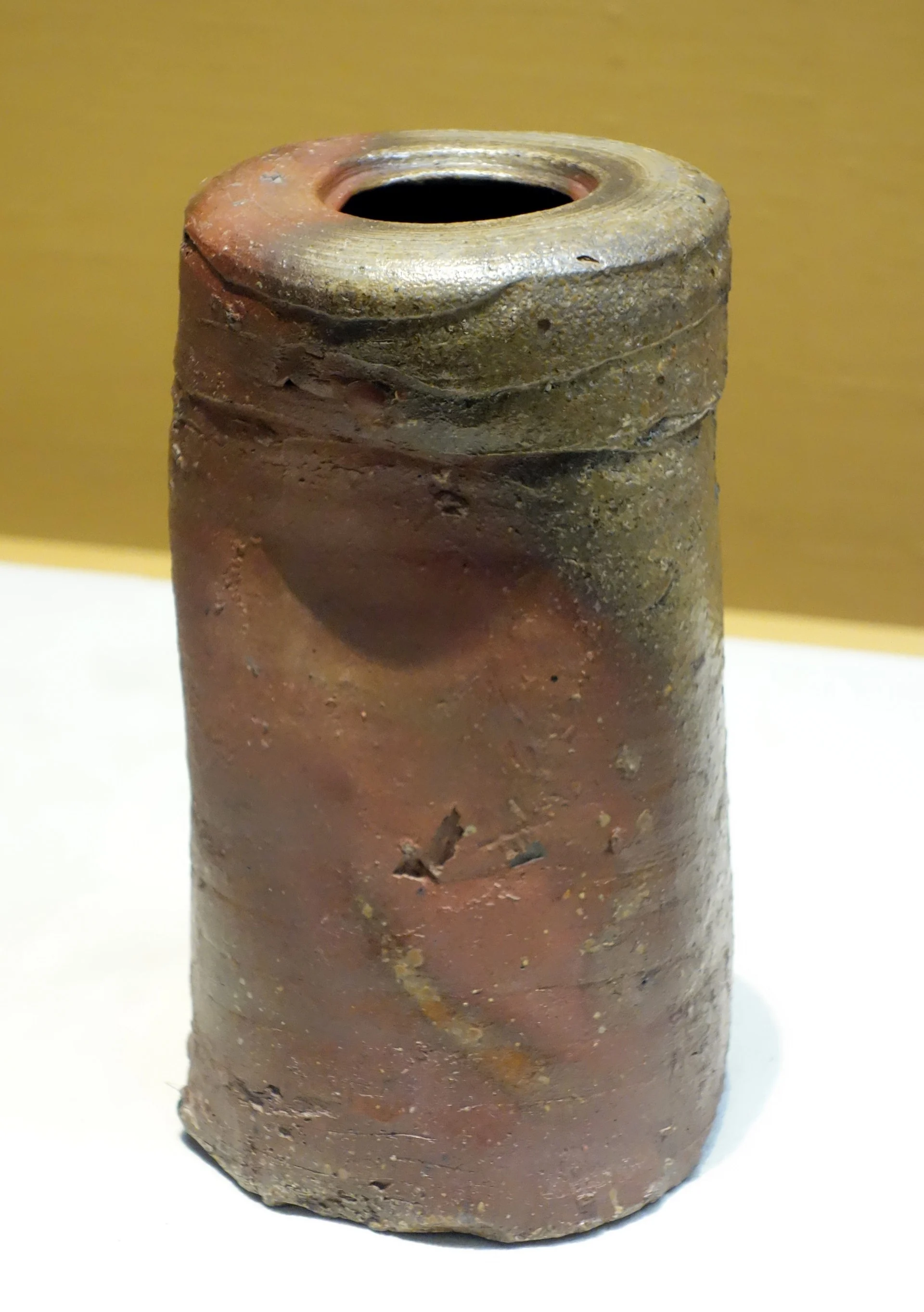
For a portrait that sobriety matters more than decorative patination. Age, a scar, an asymmetry or the traces of work on a pair of hands can be part of a biography, but the camera easily turns them into a sideshow. To keep a feature does not mean bringing the lens as close as possible and appointing it the meaning of the whole person. Wabi-sabi presupposes a respectful measure. The mark is visible, it takes part in the image, but the person is not reduced to their crack.
Time and poverty are not the same thing
There is a difference between time and poverty, between use and the absence of care. A romantic outsider’s eye sometimes aestheticises somebody else’s need: a peeling wall looks beautiful to a person who can leave that house after the shoot. So it matters for a photographer to understand whose surface this is and what price the subject pays for it. Not every kind of wear deserves admiration. Sometimes damage speaks not of a noble duration but of neglect, and making a cosy backdrop out of it is dishonest.
The same applies to nature. A wilted flower can recall the cycle of life, and it can be merely a prop that announces “melancholy” a little too eagerly. Observed transitions work more strongly: a leaf still holding on but already changed in colour; water in the ring left by a cup; cloth faded on one side only; a wooden handle darkened by palms. Specificity rescues you from a general decorative mood.

But along with the defects it is easy to remove the presence of life by accident. A wrinkle tells you about a face, a crumpled sheet about a recent movement, a scratch about the fact that a thing served someone. Leaving them in the frame does not mean giving up taste or attention.
The difference between a noticed imperfection and plain carelessness matters here. Wabi-sabi does not excuse random litter in a frame. It proposes that you see what exactly the trace of time adds to the meaning, and that you do not correct it automatically.
Wabi-sabi as a quality of attention
Photographically, wabi-sabi often appears as a quality of attention. The camera stays longer where people usually walk past. The light is under no obligation to make an object festive; it may only show the mattness, the dust, the faint gleam along a worn edge. Cropping does not force a thing into a symbol but leaves enough ordinary surroundings around it. The viewer grasps the value not because a spectacular ruin has been presented but because the author noticed a quiet change.

No second patina is needed on top of the image
In editing it is easy to overdo the signs of “old”: lifted blacks, a faded palette, grain, a warm shift. Those decisions quickly create a historical flavour, but the history of the object does not appear from them. Sometimes clean modern colour and high detail show the trace of time more honestly than a film imitation. If patina3 already exists in the material, it does not always need a second patina laid over the image.
An asymmetrical composition is not an obligatory signature of wabi-sabi either. Symmetry can emphasise a small deviation more strongly: two identical cups, one with the mark of a repair; an even wall crossed by a crack; a neat row of books with a single worn spine. The beauty of the imperfect depends on the order against which it is read. When everything is chaotic, a single mark stops being an event.

Contemporary culture keeps promising instant renewal: a new version of a device, a renovation, a face, a profession. Against that background, a photograph of a thing in no hurry to become new can be calming. But calm is under no obligation to be sweet. It contains the knowledge of finitude: the material thins, the colour goes, one day the object will stop serving. Wabi-sabi does not cancel that loss; it makes an attentive presence before it possible.
Such an attitude is useful in selecting frames as well. Photographers often choose the most technically confident take: exact focus, an open smile, a completed gesture. The neighbouring frame may be slightly less perfect and yet keep a transition — the gaze has not quite gathered, the hand is still moving, the face is returning from a thought. If that interval is closer to the person, a small technical concession becomes meaningful. Not every error is valuable, but not every completeness is alive.
Retouching: it is a question of the criterion for removal
Wabi-sabi does not demand that you give up retouching. Dust on the sensor, an accidental distracting cable or a temporary inflammation of the skin may add nothing to the story. The question is the criterion for removal. Are we taking away an obstruction in order to see the person and the object more clearly, or are we erasing the very fact that they exist in time? Good editing can be an unnoticeable act of care. Bad editing is a fear of any biography on a surface.
There is a social aspect too: the right to grow old is distributed unequally. Grey hair in a man is often read as experience, in a woman as grounds for correction; one subject’s work clothes count as a noble texture, another’s as a sign to be hidden. Photography can repeat those clichés or see a specific person. The aesthetic of the imperfect becomes convincing only when it does not turn someone else’s body into material for a beautiful philosophy.
You can start seeing this kind of beauty with an inventory of attachments. Choose three things that have long since stopped matching the idea of newness and that still matter. Do not ask how “photogenic” they are. Recall where the mark appeared, why the thing stayed, how the hand changes when it picks it up. Then build a frame so that the viewer can guess at the relationship without a long caption. The task is harder than a striking shot of a crack, but the result has a chance of being personal.
In the end wabi-sabi values not a defect but the presence of time, not carelessness but measure, not poverty but the refusal to treat newness as the only form of worth. For a photographer this is a liberating but strict position. It permits you to keep the uneven if it speaks, and it requires you to remove a beautiful accident if it is only pretending to be a meaning. A thing is under no obligation to please at first glance. Sometimes it is enough for it to be seen as life has made it.
Beauty like this does not step forward and does not ask for admiration. It becomes noticeable when we stop comparing the world with a new thing out of a box. For photography that is a good skill: sometimes not to improve what you saw, but to give the viewer time to look at it.
Notes
- 1The tea ceremony took shape in Japan from the fifteenth century and by the sixteenth had become a separate art with rules of its own: a small room, a limited set of utensils, a slow action. It was there that a plain local bowl began to be valued above imported porcelain — not out of poverty, but because the encounter with a single object proved more substantial than a display of wealth. ↑
- 2A method of mending ceramics in which the fragments are joined with lacquer mixed with gold or silver powder. The seam is not masked but emphasised: the object acquires a visible history rather than a second youth. The practice grew out of repair, not out of philosophy, and became a metaphor much later. ↑
- 3The trace of time in the material itself: darkened bronze, worn lacquer, faded cloth. It should not be confused with the “patina” added in the edit — lifted blacks, grain and a warm shift: the first tells you about the object, the second only about the editor. ↑