
JournalPhotography10 min

Shyness in front of a camera is often explained by a dislike of one’s own appearance. But even a confident person can tighten up when they realise that a chance expression is about to become an image which can be enlarged, discussed and shown to others. What frightens them is not the lens but the loss of control over how they will be seen.
So trust is not built with compliments. “You look wonderful” is pleasant and answers none of the main questions. Where will the photographs end up? Who will see them? Can a frame the person dislikes be left unpublished? What is going to happen during the shoot?
Showing frames as you go needs care. For one person a good photograph becomes proof that everything is going well. Another starts memorising the “correct” expression and reproducing it for the rest of the session. There is no general rule here: what matters is noticing the reaction. Sometimes it is better to show one calm frame and close the screen, sometimes to agree to look at everything afterwards. The aim is not for the sitter to keep assessing themselves but to reduce uncertainty and keep them present in the real scene.
It is good when these things are discussed in advance. The possibility of saying no, of seeing a few frames and of stopping the shoot gives a person part of their control back. Paradoxically, it is right after that that they start controlling every movement less.
During a shoot it is easier to act than to pose. Walk across the room, straighten your clothes, talk, look out of the window, choose a record from the shelf. Not because the photographer should secretly catch the sitter between poses, but because an action gives attention a normal task. The person stops checking every second on the whereabouts of their chin.

Not everyone needs to look into the lens straight away. A direct gaze is a fairly intense form of contact. You can start with a profile, with details, with movement, with shooting from behind. The camera gradually stops being the centre of the room and becomes part of what is happening.

The photographer’s task here is not to make everyone love the camera equally. For some people it is more natural to stay reserved, and trying to “open them up” at any cost becomes a new form of pressure. Trust may show itself not in a broad smile but in a calm right not to play somebody else’s version of openness.
It is also worth admitting that the first ten minutes may produce not a single usable frame. That is not a failure but adaptation. When the photographer is not in a hurry to extract a result, the tension does not have time to turn into a fight.
Shyness does not always look like fear
Shyness in front of a camera is not always visible as fear. One person starts joking a great deal, another adopts a single striking expression, a third becomes excessively obedient and waits for the next instruction. All those strategies restore a sense of control. It is as though the person offers the photographer a character in advance — one that is safer to judge than they are themselves. Take that mask for a ready-made individuality and you can end up with a striking series and not one real portrait.

The image we hold of our own face is assembled from the mirror, a few habitual angles and the photographs we agreed to keep. A camera shows a different geometry: not mirrored, stopped in an unfamiliar phase, sometimes taken from a distance at which we never see ourselves. So “I don’t look like myself here” can be sincere even when everyone else recognises the person instantly. They are comparing the frame not with a face but with an internal version of a face.

There is no point arguing with that. Proving to someone that a frame is objectively beautiful is like persuading them not to feel discomfort. It is better to work out what exactly feels alien: the expression, the perspective, the degree of openness, one specific detail. Sometimes a different distance or a little time is enough. Sometimes the frame really does cross a line, and it has to be given up, however good it would look in a portfolio.
Clothes, space and the first frames
Preparing clothes is about more than colour and texture. A new, unfamiliar item makes a person keep checking how it sits. A favourite shirt may be less “photogenic”1, and the person moves in it without controlling themselves. A good compromise is several options, at least one of which the sitter recognises as their own. Changing clothes changes more than the picture; sometimes, along with the costume, a person changes their role and their degree of protection.
Space can help or make the shyness worse. An empty studio with a mark on the floor announces that all attention is now on you. A familiar room offers objects, routes and the chance to turn away for a second. But home is not universally safe: for some it is too personal, while an unfamiliar studio frees them from a domestic role. The choice of place is worth discussing through feeling, not only through a nice background.

It helps to release the first frames from the obligation to be a result. When both sides know that this is a test of light and distance, a mistake stops being an event. The photographer can honestly check the angle, and the person can get used to the sound of the shutter2. It is often among those “unnecessary” frames that a live one appears — but the warm-up must not be turned into a secret hunt. Trust rests on the rules being clear.
Breathing and alternating contact
It helps to alternate contact and its absence. A few frames during conversation, then silence; a look into the lens, then movement; a wide shot, then a detail of the hands. Constant intensity is tiring. Demand depth all the time and depth turns into a grimace. A pause lets a state arise again, and lets the photographer stop chasing it with a series of commands.
Humour helps until it becomes the sitter’s duty to entertain the set. A self-ironic remark from the photographer can take the solemnity away, but jokes about appearance, age or “bad” frames wound easily, even when the person laughs out of politeness. It is safer to joke about the situation and your own technical manoeuvres. The aim is to restore equality, not to test how patient the sitter is.
The edit is part of the trust too
The edit after the shoot can also be arranged in different ways. Some people want to take part and feel calmer seeing all the material. Others are only frightened by hundreds of intermediate expressions. It is good to agree in advance who makes the first selection and whether a frame can be pulled from publication. Clear rules reduce anxiety before the shooting even starts, because the person knows that a random fraction of a second will not become their public face without consent.
It is important not to promise that a good photographer “will show the real you”. There are many real versions: at home, at work, tired, beside people you love, in front of a stranger. A photograph always creates one particular meeting and one particular image. Honesty lies not in claiming a final truth but in making sure the person who results does not feel like material used for somebody else’s idea.
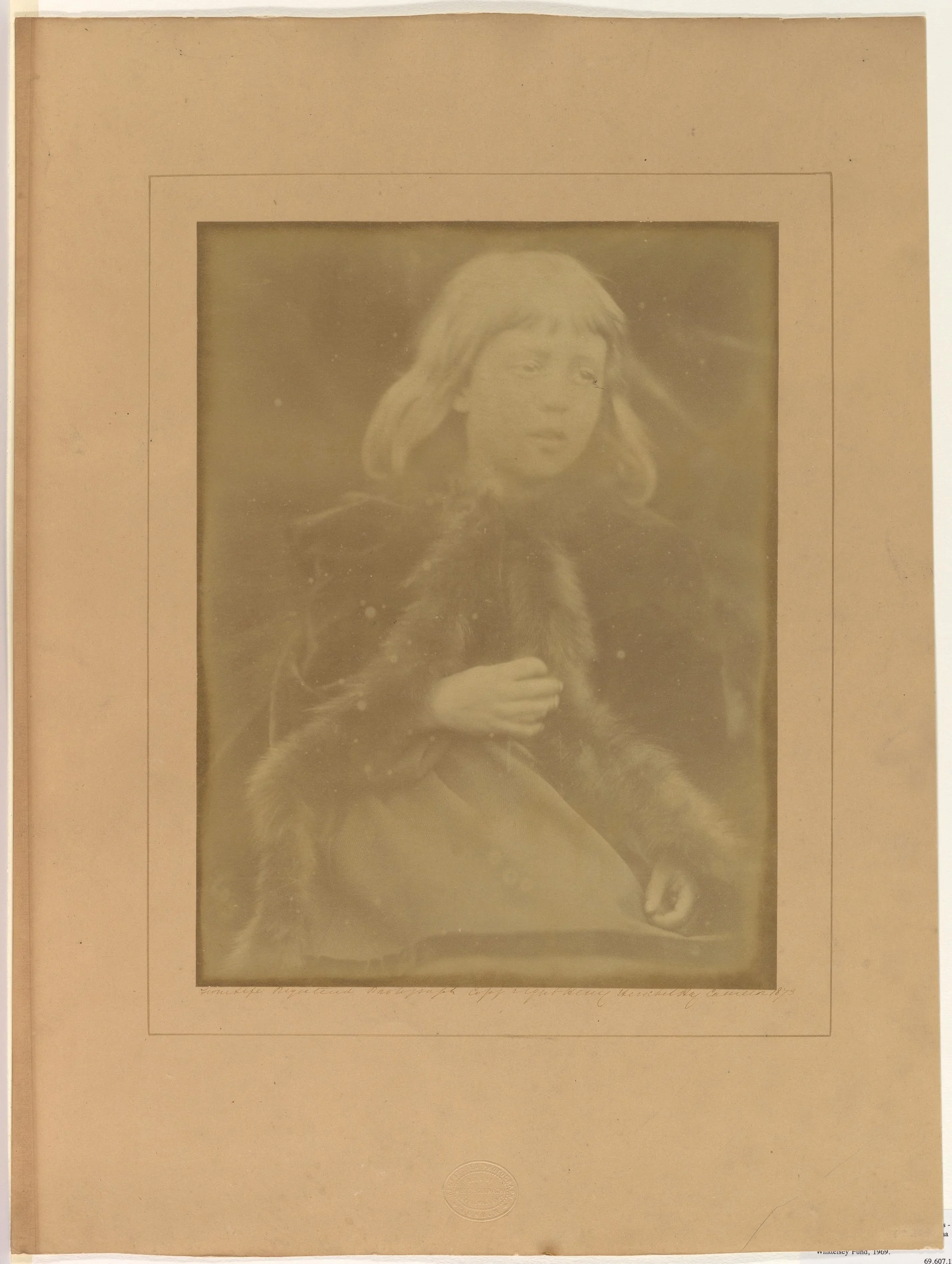
To stop being shy of the camera does not mean to stop noticing it. Rather, a person gains the ability to remain themselves alongside the fact of being observed. They know the boundaries, understand the process, can influence the result and are not obliged to perform unconditional openness. Then the lens stops being a device that takes control away and becomes a participant in the conversation. And a good portrait appears not after shyness has been defeated but after people stopped fighting it by force.

Sometimes the fear is not of a bad frame but of too open a one
There is another reason people rarely talk about: someone may fear not that the picture will come out badly but that it will come out too openly. A good portrait can reveal the fatigue, vulnerability, tenderness or hardness a person is used to controlling. The photographer rejoices at a “real moment” while the sitter feels they have been seen without permission. So the right to reject a strong frame is sometimes more important than any attempt to argue how artistic it is.
Dividing the roles at the edit helps too. The photographer is responsible for the quality of the series, the person for their own boundaries, and those areas can overlap without a fight. You can first remove the technical rejects, then show a limited selection and discuss the doubtful frames calmly. Such a process does not guarantee that everyone will like every angle. It guarantees something else: that a random fraction of a second will not become a public image merely because the author found it expressive.
It is easier to agree on what is definitely not wanted
Sometimes the best way to lower anxiety is to agree in advance not on how the person should come out but on what they definitely do not want. Excessive formality, an imposed smile, too intimate a close-up, retouching beyond recognition — negative boundaries are easier to formulate. They leave room for experiment inside a corridor everyone understands. The person is not controlling every second, because they know the photographer has already heard where the line that matters to them runs.
Freedom in front of a camera does not mean a person has suddenly come to love every angle of their face. It begins with something more modest: nothing will be done to me here against my will. And out of that calm a photograph sometimes appears in which the person recognises themselves — but not the version they were used to defending in advance.
Notes
- 1The word comes down to us from the nineteenth century, where it meant “fitness for being photographed”: the ability to survive a long exposure and hard optics. It became a property of appearance later, in the language of magazines, and has confused everyone ever since. ↑
- 2On mirrorless cameras the shutter sound can be switched off entirely. Silence does not help everyone: without the click a person cannot tell whether they are being photographed yet, and stays tense for longer. Sometimes it is more honest to leave the sound on and name it as part of the process. ↑